Why Every Specialist Cook Requirements a Stainless-steel Table in Their Industrial Kitchen area
In the world of commercial kitchens, the option of work space can dramatically influence a chef's performance. Stainless-steel tables stand out for their longevity, health, and versatility. They use a non-porous surface area that withstands microorganisms, making certain a secure environment for cooking. Additionally, their robust layout supports hefty devices and holds up against extreme warm. Understanding the multifaceted benefits of these tables discloses why they are important for any kind of professional kitchen area. What elements make them important?
Toughness and Longevity of Stainless Steel Tables
Although many materials can be made use of in the kitchen, stainless steel tables stand out for their exceptional toughness and longevity. Built from premium stainless-steel, these tables are resistant to corrosion, staining, and corrosion, making them excellent for the requiring settings of commercial cooking areas. Unlike timber or plastic, which can warp or weaken over time, stainless-steel preserves its architectural stability under heavy use and direct exposure to various substances.
The capacity to stand up to high temperatures also adds to its longevity, as it does not conveniently warp or melt when subjected to heat. Moreover, stainless-steel tables require minimal maintenance; a basic clean down is typically adequate to maintain them in superb problem. This mix of strength and low maintenance guarantees that chefs can depend on their stainless-steel tables for years, making them a staple in expert kitchens worldwide.
Sanitary Workspace for Cooking
A hygienic work area is necessary for food prep work, and stainless steel tables stand out in this respect. These tables are non-porous, which avoids the absorption of microorganisms and various other contaminants, making them suitable for food handling. Unlike timber or plastic surface areas, stainless-steel does not harbor germs or odors, guaranteeing a cleaner setting for chefs.
Additionally, stainless steel's smooth surface area facilitates easy cleansing and sanitization, producing an obstacle versus cross-contamination. The material is immune to rust, rust, and spots, which adds to keeping hygiene criteria in a busy commercial kitchen area.
Furthermore, stainless-steel is frequently geared up with rounded sides that reduce the danger of injury and help with easier maintenance of tidiness (Stainless Steel Table). By offering a trustworthy and hygienic surface area for cooking, stainless steel tables help specialist chefs copyright safety and security guidelines and deliver premium meals, enhancing the relevance of health in culinary methods
Easy Upkeep and Cleaning
When it comes to upkeep and cleansing, stainless steel tables use significant advantages. Their non-porous surface area permits a fast clean down, properly avoiding the absorption of food bits and bacteria. In addition, the discolor resistance attributes make sure that the table remains hygienic and aesthetically enticing over time.
Non-porous Surface Advantages
When cooks focus on tidiness in their kitchens, the non-porous surface of stainless steel tables provides considerable benefits. Unlike permeable materials, stainless steel does not harbor microorganisms or soak up liquids, making it simpler to keep a sanitary setting. This attribute lessens the risk of cross-contamination, essential in food prep work areas. The smooth surface enables for uncomplicated cleansing, as spills can be swiftly wiped away without anxiety of staining or lingering odors. The non-porous nature avoids the accumulation of gunk, making certain that surface areas remain visually enticing and hygienic. This characteristic not just adds to food security however also improves the general performance of kitchen area operations, enabling chefs to concentrate on their cooking productions without the disturbance of too much maintenance tasks.
Quick Clean Down
The simplicity of upkeep associated with stainless-steel tables additionally enhances their charm for cooks. Their smooth, level surfaces permit reliable and fast cleansing, which is vital in a hectic industrial cooking area. Generally, an easy clean down with a wet towel and light detergent suffices to get rid of food bits and spills. This fast cleaning process minimizes downtime, allowing chefs to preserve efficiency throughout top hours. Furthermore, stainless steel's non-porous nature avoids the absorption of smells and bacteria, adding to a sanitary food preparation environment. Regular maintenance, needing marginal effort, makes sure that these tables stay in immaculate problem, ready for the strenuous demands of day-to-day culinary jobs. Ultimately, ease of cleansing makes stainless steel tables a vital property in any kind of expert kitchen area.
Discolor Resistance Features
Although discolorations can be a challenge in any type of kitchen environment, stainless-steel tables use phenomenal tarnish resistance that streamlines maintenance and cleansing. Their non-porous surface area protects against the absorption of fluids and food particles, making it difficult for discolorations to establish in. This characteristic not just lowers the threat of staining however likewise lessens the growth of bacteria, promoting a hygienic workspace. Normal cleansing calls for just moderate detergent and a soft towel, guaranteeing that the table stays excellent with marginal effort. Unlike wood or plastic surfaces, stainless-steel does not warp or fracture, further enhancing its toughness and ease of maintenance. Expert chefs can focus more on culinary creative thinking instead than fretting about stubborn stains and considerable cleansing routines.
Adaptability in Kitchen Area Jobs
A stainless steel table stands as a keystone of performance in any professional kitchen area, effortlessly fitting a range of tasks. Its durable surface offers an optimal area for food preparation, whether cutting veggies, rolling out dough, or putting together intricate recipes. The non-porous nature of stainless steel makes certain that tastes are not taken in, keeping the stability of the active ingredients.
This kind of table is very easy to sterilize, making it ideal for dealing with raw meats and other disposable items. Its durable building and construction can support hefty equipment, such as mixers and food processors, permitting cooks to implement several food preparation procedures concurrently.
In addition, the surface's resistance to scrapes and damages indicates it can withstand the roughness of everyday usage without jeopardizing its aesthetic appeal. This versatility makes the stainless steel table an indispensable property, enhancing a chef's capacity to carry out a variety of cooking jobs successfully and efficiently.
Boosted Process and Performance
A stainless steel table considerably enhances workflow and efficiency in the kitchen through ideal work area organization. Its smooth surface permits fast clean-up, lessening downtime between tasks. In addition, the versatility of the food preparation surface accommodates various cooking tasks, enhancing the total food preparation process.
Optimal Office Organization
They dramatically Website boost operations and efficiency in the kitchen when chefs prioritize optimal office organization. A well-structured atmosphere permits fast accessibility to ingredients and devices, lowering time spent looking for essential products. Stainless steel tables promote company with their flat surface areas, making it possible for cooks to assign details areas for cooking, prep work, and plating. By implementing a logical design, chefs can lessen unneeded activities, causing a smoother cooking procedure. Furthermore, a tidy workspace promotes emphasis, improving and minimizing interruptions imagination. Proper company not just supports efficient interaction among employee however likewise makes certain that safety and security protocols are maintained. Ultimately, a successfully organized kitchen area encourages cooks to provide top notch dishes constantly.
Easy Clean-Up Process
Effective workspace organization naturally leads to a much easier clean-up process, further improving workflow in the cooking area. Stainless steel tables are particularly helpful in this respect, as their smooth surface enables for thorough and fast cleansing. Unlike wood or plastic, stainless-steel does not harbor bacteria or absorb stains, making it suitable for keeping health standards. Cooks can quickly wipe down surface areas with disinfecting options, decreasing time invested in maintenance. In addition, the sturdiness of stainless steel ensures that the tables endure the roughness of day-to-day usage without deteriorating in quality. This reliability implies that chefs can concentrate much more on their cooking jobs instead than bothering with considerable clean-up, ultimately cultivating a much more efficient and effective cooking area environment.
Versatile Cooking Surface
Several chefs value the flexibility of a knockout post stainless steel tables, which act as an optimal cooking surface area that improves workflow and effectiveness in the kitchen. These tables can fit a variety of jobs, from cooking to plating, as a result of their large and long lasting layout. The non-porous surface area protects against cross-contamination, guaranteeing food safety during active service durations. Furthermore, stainless steel withstands heat and can withstand the rigors of industrial cooking, making it a dependable option for high-temperatures jobs. The easy-to-clean surface area permits cooks to maintain a sanitary work space, more enhancing their procedures. This adaptability not just sustains a smooth workflow yet additionally adds to the general efficiency of the cooking area, permitting cooks to concentrate on crafting extraordinary meals.
Cost-Effectiveness over time
The preliminary investment in a stainless steel table may appear greater than options, the long-term cost-effectiveness becomes obvious with its durability and low maintenance demands. Stainless steel tables are immune to rust, corrosion, and staining, bring about fewer substitutes gradually. This resilience makes sure that cooks can count on their tools under the demands of an active kitchen area atmosphere.
Furthermore, stainless steel surface areas are very easy to tidy and sanitize, lowering labor expenses related to upkeep. Unlike plastic or wooden tables, which may need regular repair work or substitutes, stainless steel preserves its integrity and appearance, contributing to a professional kitchen's aesthetic.
Over years of use, the savings on repairs, substitutes, and labor can substantially exceed the initial purchase rate. Therefore, buying a stainless-steel table is not merely a price but a strategic decision for chefs going for long-lasting efficiency and dependability in their commercial cooking areas.
Frequently Asked Questions
Can Stainless Steel Tables Be Customized for Specific Kitchen Layouts?
Yes, stainless steel tables can be personalized to fit details cooking area layouts. Producers often provide numerous sizes, shapes, and setups, enabling cooks to enhance room and improve process efficiency in their commercial kitchen areas.
What Weight Capability Do Stainless-steel Tables Usually Assistance?
Stainless steel tables usually support weight capabilities ranging from 500 to 2,000 pounds, depending upon the design and building and construction quality. This sturdiness makes them suitable for heavy devices and comprehensive cooking jobs in business kitchen areas.
Exist Different Grades of Stainless Steel Utilized in Tables?
Yes, there are various qualities of stainless steel utilized in tables. Stainless Steel Table. Typical qualities useful reference include 304, which uses great deterioration resistance, and 430, which is more economical however less immune to rust and staining
Exactly How Do Stainless-steel Tables Compare to Various Other Materials in Cost?
Stainless steel tables normally cost more than plastic or timber options because of their durability and resistance to rust. However, their lasting value and reduced upkeep requirements frequently make them a more affordable selection overall.
Can Stainless-steel Tables Be Conveniently Relocated or Reconfigured in Kitchens?
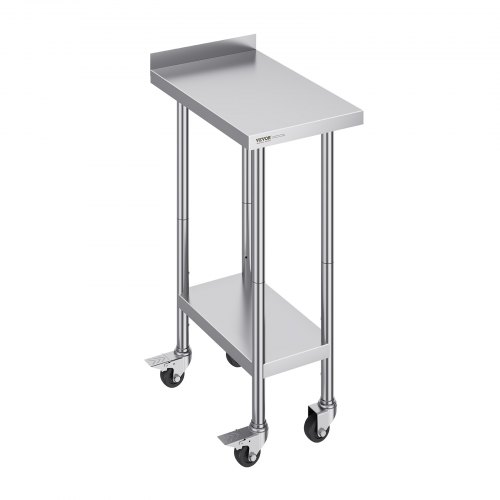
Stainless steel tables can be relatively simple to relocate and reconfigure in cooking areas, particularly if they are lightweight or developed with wheels. Their resilience, nonetheless, might limit adaptability contrasted to lighter products like plastic or wood.
Built from premium stainless steel, these tables are resistant to corrosion, corrosion, and discoloration, making them excellent for the requiring atmospheres of business kitchens. When cooks prioritize tidiness in their kitchen areas, the non-porous surface area of stainless steel tables provides substantial advantages. Discolorations can be a challenge in any kitchen environment, stainless steel tables offer outstanding discolor resistance that streamlines upkeep and cleansing. A stainless steel table substantially enhances process and performance in the kitchen area via ideal workspace company. Many chefs appreciate the versatility of stainless steel tables, which serve as an excellent cooking surface area that enhances process and effectiveness in the kitchen area.